
National
Nigeria Begins Local Production of Next-Generation Mosquito Nets
Nigeria has commenced the local production of next-generation insecticide-treated mosquito nets, in a move expected to strengthen malaria prevention and boost domestic manufacturing of essential healthcare products.
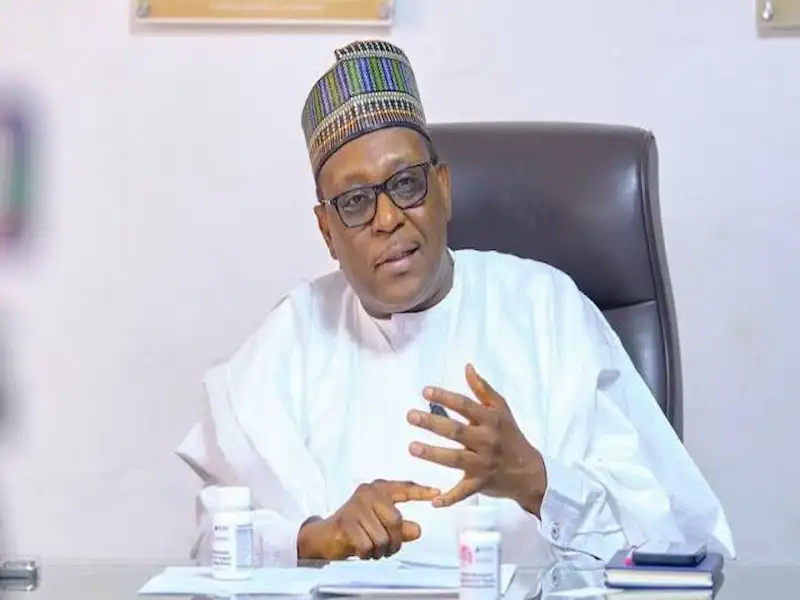
The Coordinating Minister of Health and Social Welfare, Prof. Muhammad Ali Pate, said the development aligns with the Federal Government’s Nigeria Health Sector Renewal Investment Initiative (NHSRII), which seeks to unlock the healthcare value chain through investment, local production and stronger domestic capacity.
The new manufacturing facility, Health Textiles Nigeria FZE, wholly owned by Vestergaard Sàrl, is the first facility in Nigeria to manufacture dual-active ingredient insecticide-treated mosquito nets.
The facility will produce PermaNet® Dual, a mosquito net designed to help address the growing challenge of insecticide resistance. The product was prequalified by the World Health Organisation (WHO) in 2023.
At full production capacity, the facility is expected to manufacture approximately 10 million mosquito nets annually and create more than 600 jobs. About 80 employees have already been recruited and are undergoing training in manufacturing, product quality, occupational health and safety, and regulatory compliance.
The establishment of Health Textiles Nigeria followed a 2024 Memorandum of Understanding (MoU) between Vestergaard and the Presidential Initiative for Unlocking the Healthcare Value Chain (PVAC) to strengthen local production of essential health products.
Pate described the commencement of production as an important development in Nigeria’s fight against malaria and efforts to strengthen the country’s capacity to produce critical health commodities locally.
“This investment demonstrates what is possible when government policy, private-sector investment and technology transfer come together to unlock Nigeria’s healthcare value chain,” the minister said.
He added that local production would strengthen Nigeria’s ability to produce essential health products while contributing to a more resilient healthcare system.
The National Coordinator of PVAC, Dr Abdu Mukhtar, said the development demonstrated how investment, technology transfer and government policy could translate into productive capacity and skills development in Nigeria.
He said the training of Nigerian professionals and commencement of production were examples of the outcomes PVAC seeks to replicate across other areas of the healthcare value chain.
Also speaking, Vestergaard Chief Executive Officer, Amar Ali, expressed satisfaction with the commencement of production in Nigeria and thanked the Federal Government for its support.
Ali said the facility combines Vestergaard’s manufacturing expertise with Nigerian talent to produce dual-active insecticide-treated mosquito nets locally.
The development comes as Nigeria continues to carry a significant share of the global malaria burden. According to the WHO, malaria caused an estimated 282 million cases and 610,000 deaths globally in 2024, with the African Region accounting for the overwhelming majority of cases and deaths.
With production now underway, Health Textiles Nigeria is expected to fulfil its first commercial orders in the coming months, further increasing Nigeria’s capacity to produce mosquito nets locally.
The Federal Ministry of Health and Social Welfare also stressed the need for strong quality assurance, regulatory oversight and safety standards as domestic production expands.
The ministry said the Federal Government would continue to support strategic investments, technology transfer and skills development aimed at strengthening Nigeria’s healthcare value chain under the Renewed Hope Health Agenda.












NYSC to Open Online Registration Portal for 2026 Prospective Corps Members in September

Again Residents Confront Scavenger Over Alleged Vandalism in Kosofe

GBB Reaffirms Digital Infrastructure Drive

Nigeria to Roll Out Unique Postcodes for Every Home October 1
