
Business
Hackers Breach Zenith Bank Database, Access Customers’ Information
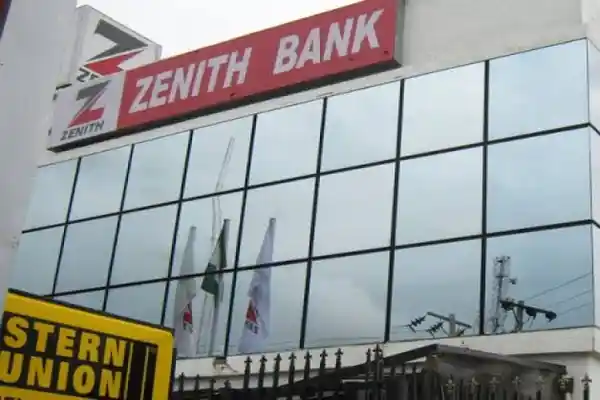
Hackers have compromised part of Zenith Bank’s customer database, exposing limited personal information in a cyberattack the lender said is linked to a wider global wave of attacks targeting organisations across multiple sectors.
The bank disclosed the breach in a notice to customers on Tuesday, saying the attackers gained access to some customer records, including email addresses and phone numbers.
It, however, assured customers that the incident did not affect its banking systems, digital platforms or financial transactions.
According to the lender, investigations are underway to determine the full scope of the breach, while its incident response procedures and cybersecurity safeguards were activated immediately after the intrusion was detected.
Zenith Bank maintained that the compromised information was limited and insisted that customers’ accounts remain secure.
The bank also advised customers to be cautious of possible follow-up scams, warning them against responding to suspicious emails, text messages or phone calls requesting sensitive banking information.
It urged customers not to disclose passwords, Personal Identification Numbers (PINs), One-Time Passwords (OTPs) or other security credentials to anyone, stressing that such information would never be requested through unofficial channels.
The lender said it remains committed to safeguarding customers’ data and promised to provide further updates as investigations progress.
The incident adds to growing concerns over cyber threats facing Nigeria’s financial sector and comes months after the Central Bank of Nigeria (CBN) alerted the public to attempts by cybercriminals to impersonate the apex bank through fraudulent emails and online messages.
At the time, the regulator warned that scammers were circulating fake communications designed to mislead Nigerians into revealing personal information by clicking malicious links. The CBN said the messages falsely claimed to originate from the bank and contained misleading information relating to its leadership, licensing activities and policy decisions.















NYSC to Open Online Registration Portal for 2026 Prospective Corps Members in September

Again Residents Confront Scavenger Over Alleged Vandalism in Kosofe

GBB Reaffirms Digital Infrastructure Drive

Nigeria to Roll Out Unique Postcodes for Every Home October 1
