
Business
Nigeria’s Foreign Reserves Hit 17-Year High of $53bn, Surpass CBN Target
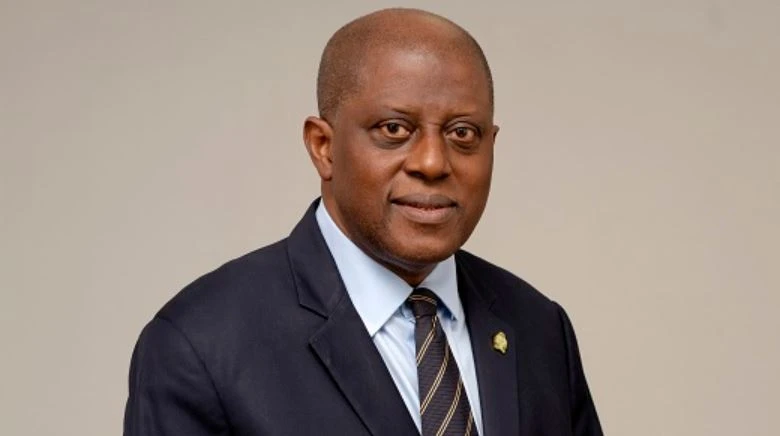
Nigeria’s external reserves have climbed above the Central Bank of Nigeria’s (CBN) annual target to about $53 billion, the highest level in 17 years, as the apex bank said sustained foreign exchange inflows and renewed investor confidence are strengthening the country’s macroeconomic outlook.
Speaking through the Acting Director of Corporate Communications and Investor Relations, Hakama Sidi Ali, at the CBN Fair in Gombe yesterday, Governor Olayemi Cardoso said the stronger reserve position reflects the impact of reforms introduced over the past 34 months to restore stability to the economy.
According to him, the improved reserves have been driven by sustained capital inflows and increased investor participation across different asset classes, signalling growing confidence in Nigeria’s economic management.
Cardoso said the reforms were also contributing to greater stability in the foreign exchange market and a gradual slowdown in inflation.
He said: “Our external reserves have risen above our annual target to more than $52.5 billion as of July 17, 2026, the highest level in 17 years. The stronger reserve position, relative stability in the foreign exchange market and gradual moderation in inflation reflect the gains of the reforms introduced over the past 34 months.”
He noted that headline inflation eased slightly from 15.93 per cent in May to 15.91 per cent in June 2026, while food and core inflation also moderated. He attributed the trend to disciplined monetary tightening, exchange rate unification and improved transparency in the foreign exchange market.
Cardoso added that the naira had continued to strengthen, with the gap between the official exchange rate and the bureau de change market narrowing to below two per cent, which he said was evidence of improving market stability.
He listed other reforms implemented by the CBN to include banking sector recapitalisation, the non-resident Bank Verification Number (BVN), the B-Match foreign exchange trading platform, the Nigeria Payments System Vision 2028, the 75 percent cash reserve ratio on non-Treasury Single Account public sector deposits and the Nigerian Overnight Financing Rate benchmark.
Cardoso reaffirmed the bank’s commitment to policies that promote monetary and price stability, encourage investment and support sustainable economic growth.
Earlier, the CBN Gombe Branch Controller, Yunusa Buba Mubi, described the CBN Fair as an annual platform for engaging the public on the bank’s policies.
He urged participants to take advantage of the sessions to better understand the bank’s initiatives and provide feedback.













NYSC to Open Online Registration Portal for 2026 Prospective Corps Members in September

Again Residents Confront Scavenger Over Alleged Vandalism in Kosofe

GBB Reaffirms Digital Infrastructure Drive

Nigeria to Roll Out Unique Postcodes for Every Home October 1
