
Politics
Paul Ibe Questions $21.7bn External Borrowing Plan
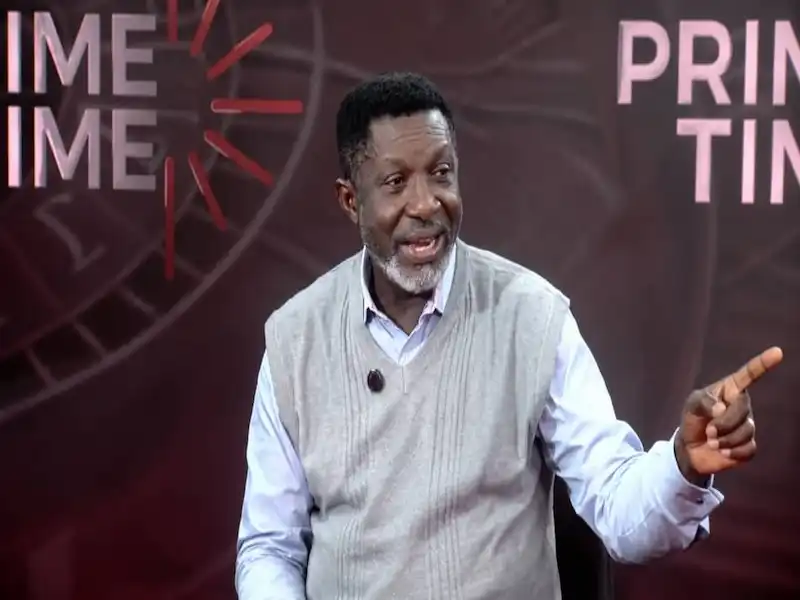
Atiku Abubakar’s media adviser, Paul Ibe, has questioned the Federal Government’s proposed $21.7 billion external borrowing plan, demanding greater transparency over the projects to be financed and how the loans will be repaid.
Ibe said describing the proposed borrowing as “investment” does not remove Nigeria’s obligation to repay the funds, stressing that Nigerians deserve full details of the projects and financing arrangements before approval.
The media adviser raised concerns over the reported 46 projects across 11 sectors, calling for the government to publish their locations, individual costs, implementing agencies, procurement records and completion schedules.
He also questioned the overall cost of the proposed loans, noting that while Finance Minister Taiwo Oyedele highlighted a $5 billion World Bank component with an average interest rate of about 2.1 per cent, the reported indicative average rate for the commercial component was 7.8 per cent.
Ibe asked the government to disclose the proportion of the borrowing under each financing category, as well as the fees, repayment periods, grace periods, guarantees and other conditions attached to the loans.
He further demanded details of Nigeria’s proposed repayment strategy, including annual repayment schedules and the revenue assumptions supporting them.
According to him, the government should explain how the country would service the loans if oil revenues decline, the naira weakens or projects experience delays.
Ibe also questioned the value for money of the projects, particularly the approximately $10.6 billion proposed for transportation projects, including the Lagos-Calabar and Sokoto-Badagry highways and the Kano-Kaduna rail project.
He called for the publication of feasibility studies, engineering designs, independently assessed project costs and projected economic returns.
The former vice president’s aide also asked the government to reconcile the proposed borrowing with earlier budget allocations, approved loans and other financing commitments to prevent overlapping funding and unexplained cost increases.
On the proposed financing for states, the Federal Capital Territory and government agencies, Ibe demanded a borrower-by-borrower breakdown showing who would receive the funds, who would repay them and what liabilities would fall on the Federal Government if beneficiaries default.
He also called for safeguards to be put in place before funds are released, including conditions for project disbursement and quarterly reports detailing loan disbursements, expenditure, physical progress and independent audit findings.
Ibe urged the National Assembly to demand the relevant documents and subject the borrowing proposal to public scrutiny before granting approval.
“Nigerians understand the need for infrastructure,” Ibe said, arguing that an inflated contract, abandoned project or unrealistic revenue forecast could leave citizens paying for projects that fail to deliver the promised benefits.
He maintained that referring to the proposed borrowing as investment does not answer questions about who will repay the loans, how much they will cost or how long repayment will take.










NYSC to Open Online Registration Portal for 2026 Prospective Corps Members in September

Again Residents Confront Scavenger Over Alleged Vandalism in Kosofe

GBB Reaffirms Digital Infrastructure Drive

Nigeria to Roll Out Unique Postcodes for Every Home October 1
