
Metro
EFCC Cracks Down on Corruption, Sacks Over 40 Staff
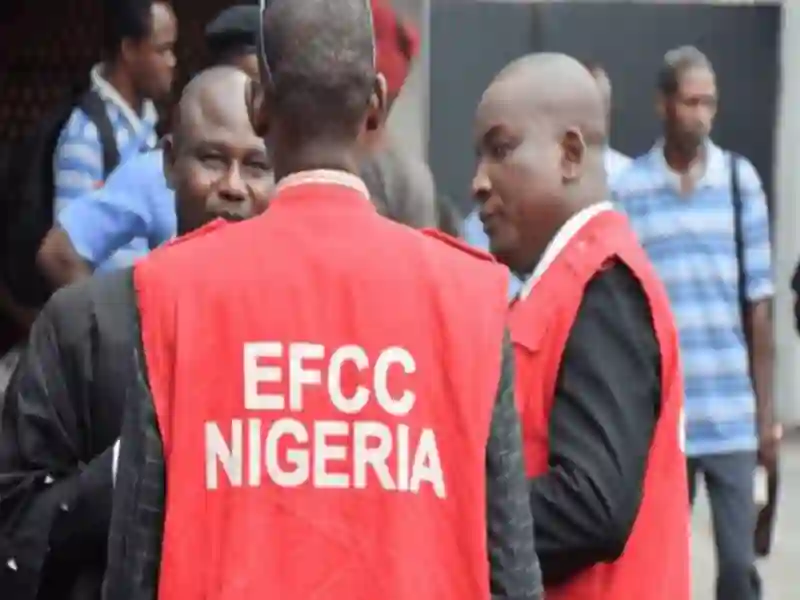
The Chairman, Economic and Financial Crimes Commission (EFCC), Mr Ola Olukoyede has purged the commission of corrupt officials by sacking over, 40 staff of the commission.
The EFCC boss also confirmed that five other staff of the commission are currently being prosecuted for corrupt practices.
Olukoyede disclosed this on Monday in Abuja at a media interactive session to mark his 3-year stewardship at the commission’s headquarters.
He noted that in the past two and a half to three years of his service in EFCC, he has dismiss over 40 staff on account of corruption and financial malpractice. More than five of them are being prosecuted at the moment.”
“Some of the affected staff members are already being prosecuted, while case files involving others are being prepared for prosecution. “You can follow those cases in court; they are public knowledge. If that is what people do in other agencies and I arrest them, I investigate them, I prosecute them, why must I just dismiss you if you do it within our own system and I’m not prosecuting you?”
Olukoyede added that the disciplinary measures were part of efforts to ensure EFCC personnel were held to the same standards of accountability the agency demanded from other Nigerians.
“You must be sure that your hands are clean. You can’t be fighting corruption when your hands are soiled with corrupt practices. He who comes to equity must come with clean hands”
The EFCC chairman also announced the renaming of the commission’s former Internal Affairs Department to the Department of Ethics and Integrity as part of its drive for “internal cleansing.”
He said the commission had also introduced a gift policy to strengthen transparency and prevent conflicts of interest.
According to him, under the policy, staff will be required to declare gifts above a specified value, including those received from friends and relatives at home and abroad.
“The commission will also define the categories of gifts personnel can accept and require officers to account for their sources of income and standard of living,” he added.
The chairman called for stronger institutional reforms and policy changes to fight corruption, saying law enforcement alone could not win the war.
“The most effective system that fights financial crime is not law enforcement. It is the policy regime, institutional reforms that close leakages,” he said.
He urged the media and civil society to return to their watchdog roles.













NYSC to Open Online Registration Portal for 2026 Prospective Corps Members in September

Again Residents Confront Scavenger Over Alleged Vandalism in Kosofe

GBB Reaffirms Digital Infrastructure Drive

Nigeria to Roll Out Unique Postcodes for Every Home October 1
