
Metro
LASTMA Says It Has Reduced Traffic Congestion by 85% in Lagos, Expands Technology-Driven Enforcement
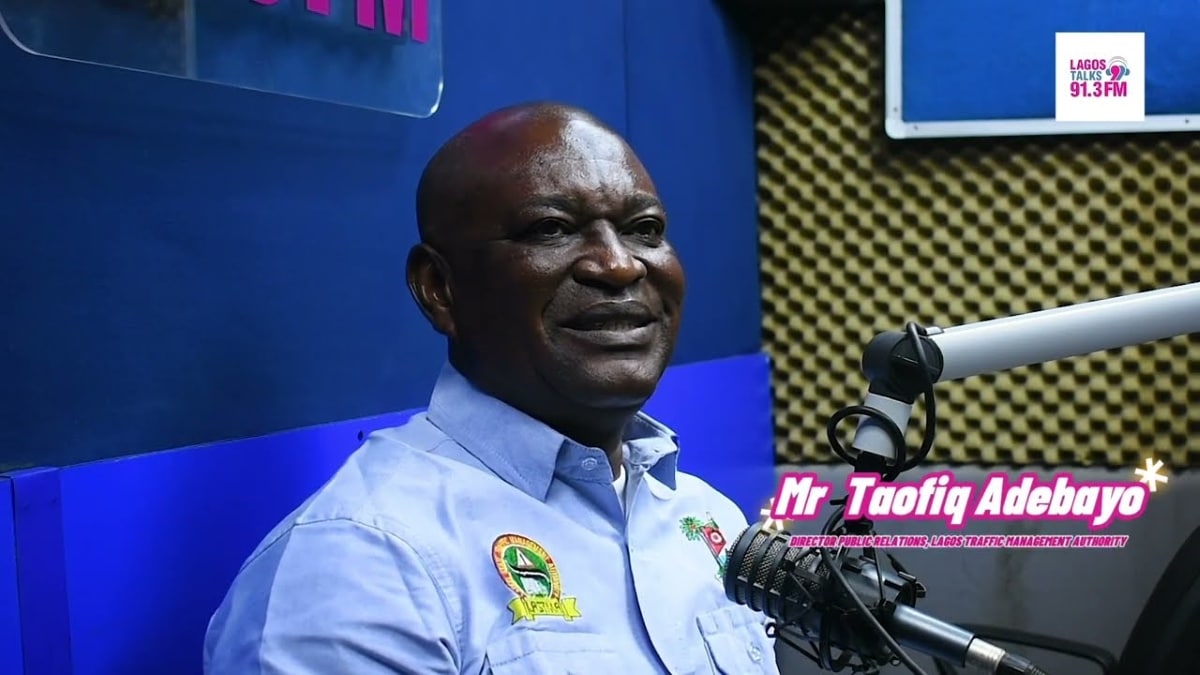
LASTMA traffic management has reduced traffic congestion across Lagos State by 85 per cent, according to the Director of Public Affairs of the Lagos State Traffic Management Authority (LASTMA), Adebayo Taofiq.
Speaking during an interview on Lagos Television, Taofiq said the agency has strengthened road safety and emergency response through technology, improved enforcement, public awareness campaigns and strategic collaboration with other government agencies.
He explained that the Lagos State Government remains committed to improving road transportation despite the challenges posed by rapid urbanisation, heavy rainfall and increasing vehicle population.
A keypillar of LASTMA traffic management is the introduction of the 3367 emergency hotline, which allows members of the public to report traffic congestion, road accidents, broken-down vehicles, emergencies and complaints involving LASTMA personnel.
According to Taofiq, although officers are deployed across major roads in Lagos, the hotline enables residents to notify the nearest zonal office immediately whenever an incident occurs.
He said matters that cannot be resolved by officers at the scene are escalated to senior management for swift intervention.
Taofiq disclosed that LASTMA currently operates through more than 48 zonal offices and seven Bus Rapid Transit (BRT) offices strategically located across Lagos State to improve response time and traffic coordination.
Speaking on the impact of LASTMA traffic management, Taofiq revealed that the agency has successfully reduced traffic congestion across Lagos by 85 per cent.
According to him, the remaining 15 per cent of congestion is largely caused by motorists who stop indiscriminately to pick up or drop off passengers at unauthorised locations instead of designated bus stops and parks.
He noted that LASTMA and the Lagos State Government have continued to educate motorists, commercial drivers and commuters on the importance of obeying traffic regulations to improve the free flow of traffic.
Taofiq explained that LASTMA traffic management operations continue throughout the rainy season despite flash flooding experienced in parts of Lagos.
He said LASTMA officers remain on duty during heavy rainfall, directing vehicles while standing in floodwater and wearing protective rain gear to ensure the safety of motorists and pedestrians.
On road infrastructure, he disclosed that repair works on the pothole around Anthony have been completed, while repairs around Oshodi will commence after the rainy season.
He added that the agency is working closely with Local Council Development Areas (LCDAs) and local government councils to improve drainage systems and road maintenance across the state.
Technology has become a major driver of LASTMA traffic management, according to Taofiq.
He said traffic enforcement cameras are now deployed to capture road traffic violations across Lagos.
Once an offence is detected, vehicle owners receive notifications containing photographic evidence of the violation.
Motorists are given the opportunity to pay the prescribed penalty or challenge the allegation before a mobile court where LASTMA presents its evidence.
Beyond surveillance cameras, Taofiq revealed that the Lagos State Government has introduced drone technology to monitor traffic conditions in real time.
According to him, drones now allow the agency to identify congestion, accidents and road blockages almost immediately, enabling officers to respond much faster than before.
Taofiq dismissed concerns about officers entering motorists’ vehicles during enforcement exercises, stating that such incidents have not occurred in the past two to three years.
He attributed the improvement to continuous staff training in emotional intelligence, conflict resolution and non-force enforcement.
According to him, the agency collaborates with the Ikeja Police and private training organisations to improve professionalism among traffic officers.
He acknowledged that disciplinary action is taken against any officer found guilty of misconduct.
Some officers, he said, have been dismissed from service, 10 have been demoted, while others remain under suspension following investigations into complaints received from members of the public.
He encouraged residents to use the 3367 hotline to report any officer whose conduct falls below expected standards.
Taofiq noted that LASTMA traffic management extends beyond Lagos State through partnerships with neighbouring agencies.
He cited the recent Sallah period at Kara Market in Ogun State, where LASTMA collaborated with the Traffic Compliance and Enforcement Agency (TRACE) to prevent ram sellers from obstructing highways.
He added that the agency also works closely with the Lagos State Emergency Management Agency (LASEMA) and the State Emergency Management Office (SEMO) to strengthen emergency response and traffic management.
Explaining delays sometimes experienced during accident response, Taofiq said specialised equipment may not always be available within the zone where an incident occurs, making movement between operational areas necessary.
He also blamed interference from bystanders, saying their actions sometimes delay rescue operations despite efforts by emergency responders.
The Lagos State Government, he added, has intensified public awareness campaigns to educate residents on the importance of allowing emergency personnel to perform their duties without obstruction.
Recalling one of the dangers faced by traffic officers, Taofiq narrated how a LASTMA officer was stabbed in the left eye along the Lagos-Abeokuta Expressway after asking a commercial driver to move a bus causing obstruction.
He said the incident highlights the risks faced by traffic officers daily and appealed to motorists and residents to cooperate with enforcement officers in the interest of public safety.
Taofiq maintained that LASTMA traffic management will continue to leverage technology, public education, strategic partnerships and professional enforcement to improve road safety and reduce traffic congestion across Lagos State.



NYSC to Open Online Registration Portal for 2026 Prospective Corps Members in September

Again Residents Confront Scavenger Over Alleged Vandalism in Kosofe

GBB Reaffirms Digital Infrastructure Drive

Nigeria to Roll Out Unique Postcodes for Every Home October 1
