
National
Presidency Accuses Atiku of U-Turn on Fuel Subsidy
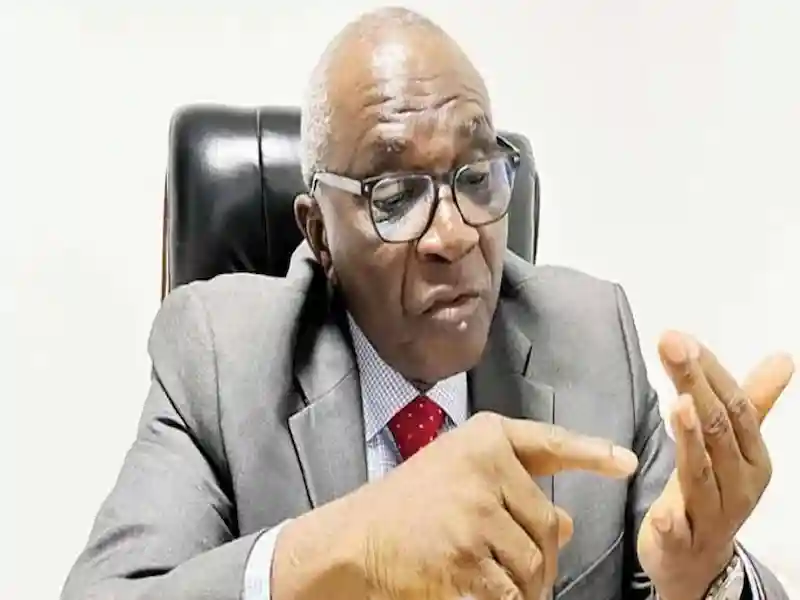
The Presidency has accused former Vice President Atiku Abubakar of making a political U-turn over fuel subsidy after he proposed restoring the scheme if elected president.
The Special Adviser to President Bola Tinubu on Information and Strategy, Bayo Onanuga, made the position known in a statement on Thursday titled, “Restoring petrol subsidies: Atiku’s volte-face and desperation for power.”
Onanuga said Atiku had previously advocated the removal of fuel subsidy but had now changed his position ahead of the 2027 presidential election.
“Against expectations that he would announce a more creative and ingenious alternative to the programme being executed by the Tinubu administration, Atiku Abubakar… suggested that he would restore the much-abused, wasteful, pillaged, corruption-ridden fuel subsidy regime,” he said.
The presidential aide argued that restoring subsidy would place another heavy burden on government finances, questioning how the proposed policy would be funded.
He said, “If the subsidy is restored, who pays for it? What will the new pump price be? N200 or N500? If petrol is sold below its economic cost, which is about N1,200 to N1,300, someone must absorb the difference.”
According to Onanuga, the removal of the subsidy has allowed more funds to flow to the three tiers of government, while Nigeria’s growing domestic refining capacity has changed the dynamics of the petroleum sector.
He also argued that returning to the old subsidy system could undermine investments in local refining and reverse progress made in reducing dependence on imported petroleum products.
Onanuga acknowledged the hardship caused by higher petrol and transportation costs but said the government’s focus should be on sustainable solutions rather than returning to what he described as an expensive and opaque system.
“We believe sustainable relief is different from recreating a fiscal arrangement that will again cripple our country,” he said.
The Presidency urged Atiku and other political actors proposing the restoration of subsidy to provide Nigerians with details of the policy, including its annual cost, funding source, legal implications and measures to prevent abuse.
Onanuga said the subsidy debate should reflect the realities of Nigeria’s current petroleum industry, particularly the increasing role of domestic refineries and the shift towards a market-driven downstream sector.
He added that Nigerians deserved to know exactly what a proposed subsidy would cover under the new petroleum market structure and how the government would prevent the policy from becoming another source of public debt and financial pressure.



NYSC to Open Online Registration Portal for 2026 Prospective Corps Members in September

Again Residents Confront Scavenger Over Alleged Vandalism in Kosofe

GBB Reaffirms Digital Infrastructure Drive

Nigeria to Roll Out Unique Postcodes for Every Home October 1
