
Business
Food Crisis: Nigeria Tops Africa in Food Insecurity
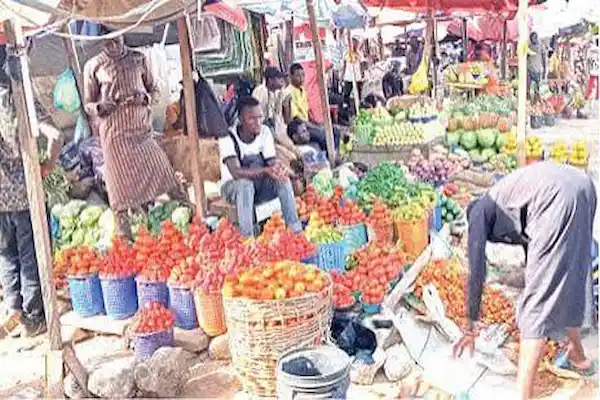
Nigeria has the largest number of people facing crisis-level or worse food insecurity in Africa, with an estimated 36.3 million people affected, according to the July 2026 Food Security Monitor by the Alliance for a Green Revolution in Africa (AGRA).
The report, which monitors food security, commodity prices, agricultural conditions and policy developments in 17 African countries, said Nigeria accounted for the highest absolute number of people experiencing IPC/CH Phase 3 or worse food insecurity.
Despite the high number, Nigeria’s proportion of affected people, at 16.7 per cent of the population, was considerably lower than that of South Sudan, where 55 per cent of the population was classified as food insecure at crisis level or worse.
South Sudan recorded 7.8 million affected people, followed by Kenya with 4.1 million, Malawi with four million and Mozambique with 3.5 million.
AGRA said the overall food insecurity situation across the countries monitored remained largely unchanged from June, with little month-on-month movement in most countries.
In Nigeria, it said insecurity, displacement, weak purchasing power and disruptions to agricultural production and market access continued to worsen the situation.
Crisis and emergency conditions also persisted in conflict-affected parts of Nigeria and other areas of West Africa, where insecurity continued to disrupt farming, trade, livelihoods and humanitarian operations.
The report, however, recorded mixed movements in domestic food prices. Maize prices fell by 4.1 per cent month-on-month in July, while rice declined marginally by 0.3 per cent.
Millet, however, rose by 2.8 per cent to N465.27 per kilogramme, while sorghum increased by 5.8 per cent to N412.01 per kilogramme. AGRA attributed the increases to seasonal tightening of supplies.
On a yearly basis, maize prices were 22.5 percent lower, millet declined by 13.6 per cent and sorghum by 9.2 per cent. Milled rice remained 8.3 percent higher than its level a year earlier.
The report said the combination of lower prices for some staples and persistent food insecurity underscored the importance of household purchasing power, not food availability alone, in determining access to food.
AGRA also warned that rising fuel and fertiliser prices, alongside climate risks, could increase production costs and discourage the use of agricultural inputs, putting pressure on the relatively favourable food-price trend.













NYSC to Open Online Registration Portal for 2026 Prospective Corps Members in September

Again Residents Confront Scavenger Over Alleged Vandalism in Kosofe

GBB Reaffirms Digital Infrastructure Drive

Nigeria to Roll Out Unique Postcodes for Every Home October 1
