
National
Education Task Force Calls for Intensive Audit of Kogi Schools
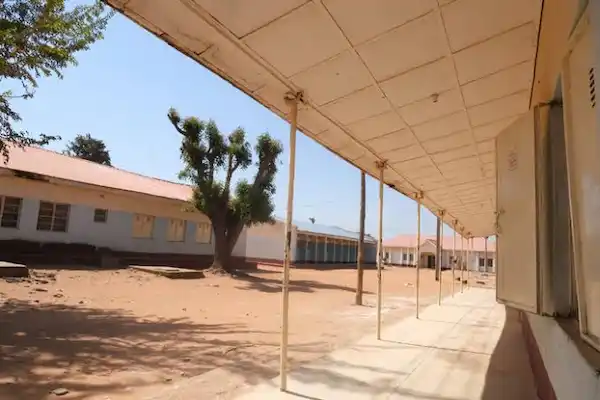
Education task force coordinator in Kogi state Comrade Muhammed Yusuf Osana has advocated for comprehensive audit of all private and public schools across the state for effectiveness.
Osana in an open letter addressed to the state Commissioner for Education dated 9th August 2026 said the audit was meant to save the schools from irreversible damage.
Osana recommended that the state government must embark on thorough audit to close some schools, merge some others, reform substandard private schools.
He also demanded for recruitment of teachers in government schools as there are school buildings without teachers in some parts of the state especially in the rural areas.
He said, “Dear Hon Commissioner, “I write this open letter not as an attack on private education but as a passionate appeal for the urgent rescue of the education system in Kogi State.
He said, “The time has come for the Ministry of Education to take a critical look at the alarming proliferation of private schools across the state, particularly in Kogi Central. The number of private schools is growing rapidly, but the quality of education is not growing at the same pace.
“In some communities, private schools have emerged in almost every residential neighbourhood. Some operate from converted residential buildings, abandoned structures, and other environments that were never designed to provide quality educational services.
“This development should concern every responsible stakeholder. What is the essence of having hundreds of schools if many of them lack qualified teachers, adequate classrooms, libraries, laboratories, recreational facilities, sanitation facilities, and a conducive learning environment?
He noted that education is not simply about putting a signboard on a building and calling it a school. “A school is an environment where children must be properly taught, nurtured, disciplined, and prepared for life.
“Unfortunately, the uncontrolled proliferation of poorly equipped and poorly staffed private schools risks producing a generation of students who possess certificates but lack the basic skills those certificates are supposed to represent.
“Today, we are increasingly confronted with students at the senior secondary level who struggle with basic reading, writing, and spelling.
On public schools he said, “While numerous private schools continue to spring up, some public schools across Kogi State have classrooms and other infrastructure but insufficient teachers and declining enrolment.
“The government has invested heavily in educational infrastructure in many communities. Yet, some of these facilities are underutilised because there are not enough teachers to adequately cater to the pupils. At the same time, qualified and experienced teachers are scattered across numerous private establishments.
The coordinator urged government to think differently, rather than allowing the situation to continue unchecked, the Ministry should undertake a comprehensive audit of all private schools operating in the state.
“Schools that meet the required standards should be encouraged and properly regulated. But schools that fail to meet minimum standards should be given a clear compliance timeline or, where necessary, closed.
“Where two or more schools are operating within the same locality and a nearby public school has adequate facilities, the government should consider a structured merger or integration programme.
Osana strongly recommend the immediate establishment of a high-powered Education Quality Assurance and Compliance Task Force to conduct a state-wide assessment.
“The task force should identify and register every private school operating in Kogi State, verify the approval status of each school, inspect the physical facilities and learning environment, verify the qualifications of teachers and administrators.
“The exercise should be led by the appropriate authorities within the Ministry, particularly the Quality Assurance Department, with sufficient authority, personnel, and resources to carry out its mandate without interference.
“We can not sacrifice the future of our children for commercial interests. Government can not afford to wait until the consequences become irreversible. If we fail to regulate the system today, we may find ourselves tomorrow trying to repair an educational foundation that has already collapsed” He said










NYSC to Open Online Registration Portal for 2026 Prospective Corps Members in September

Again Residents Confront Scavenger Over Alleged Vandalism in Kosofe

GBB Reaffirms Digital Infrastructure Drive

Nigeria to Roll Out Unique Postcodes for Every Home October 1
