
Business
Developing Countries Pay $500bn More in Borrowing Costs Annually – Oyedele
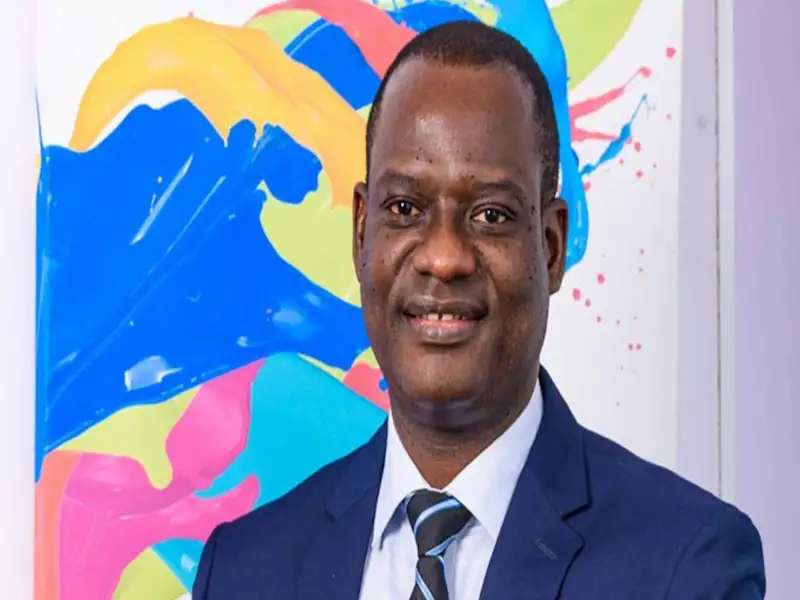
Nigeria’s Minister of Finance and Coordinating Minister of the Economy, Taiwo Oyedele, has called for urgent reforms to the global financial system, saying developing countries collectively pay an estimated $500 billion more annually in borrowing costs than advanced economies.
Oyedele said the disparity was undermining investment, economic growth and job creation in developing countries, stressing the need for a fairer global financial architecture that guarantees equitable access to capital.
The minister made the call while speaking at the Global Financial System Session of the 17th Bosphorus Summit in Istanbul, Türkiye, on Friday.
He described the unequal borrowing costs as a “prejudice premium”, arguing that countries should be assessed based on credible economic fundamentals rather than perceptions that exaggerate investment risks.
Highlighting Nigeria’s economic reforms under President Bola Tinubu, Oyedele identified exchange rate unification, fuel subsidy removal and comprehensive tax reforms as difficult but necessary measures that were producing encouraging results.
He disclosed that Nigeria recorded approximately 4.43 percent economic growth in the second quarter of 2026, alongside four consecutive months of moderating inflation and foreign reserves exceeding $55 billion.
According to him, private capital inflows also increased from about $300 million in 2023 to nearly $6 billion in 2026.
Oyedele, however, emphasised that economic stability should be measured by its ability to generate employment, improve incomes and expand opportunities for citizens.
He said Nigeria’s new seven-pillar Economic Policy Framework was designed to institutionalise sound economic policies beyond individual administrations.
The minister also called for a more representative International Monetary Fund (IMF), stronger private capital mobilisation by multilateral development banks, fairer credit assessments and faster, more predictable debt resolution.
He further advocated climate financing arrangements that would not worsen the debt vulnerabilities of developing countries, reiterating the G-24’s call for at least $300 billion in annual climate finance by 2035.
Warning about the growing employment challenge, Oyedele cited World Bank projections that approximately 1.2 billion young people would enter developing economies’ labour markets over the next decade, against an estimated 400 million new jobs.
He said the imbalance required urgent attention from governments and international financial institutions to prevent unemployment pressures from threatening global stability.
On investment partnerships, the minister disclosed that Nigeria and Türkiye were working towards expanding bilateral trade to $5 billion.
He also highlighted the Federal Government’s Projects Nigeria initiative, which has identified 65 investment opportunities valued at approximately $78.5 billion to attract private investment and risk-sharing partnerships rather than additional sovereign borrowing.
Oyedele urged developing countries to sustain credible domestic reforms while calling on international financial institutions to guarantee fairer access to capital and more objective assessments of investment risks.
He maintained that the global financial system must be modernised to support investment, productive economic activities and inclusive prosperity.
“For Nigeria, stability was our first test; growth that creates jobs is our next,” he said.













NYSC to Open Online Registration Portal for 2026 Prospective Corps Members in September

Again Residents Confront Scavenger Over Alleged Vandalism in Kosofe

GBB Reaffirms Digital Infrastructure Drive

Nigeria to Roll Out Unique Postcodes for Every Home October 1
