
Business
Africa Faces Pressure To Create Jobs For 625m New Workers By 2050
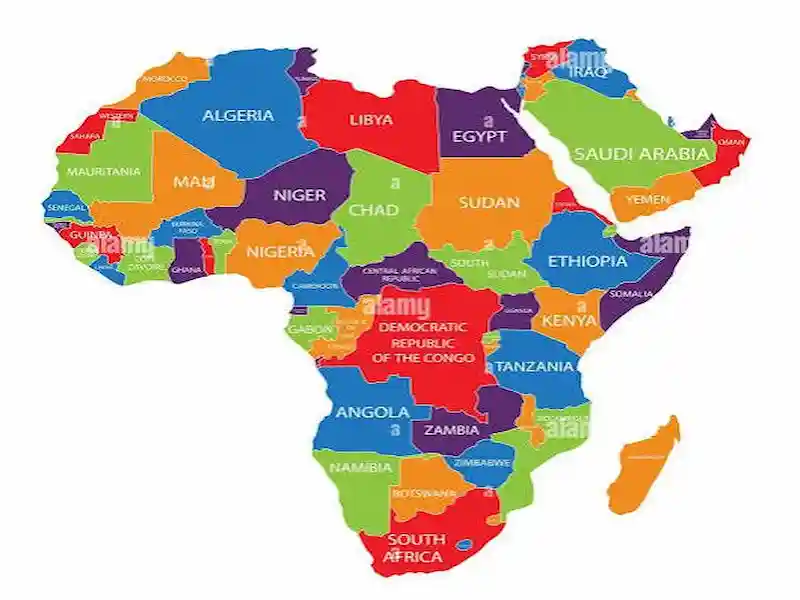
Sub-Saharan Africa will account for more than three-quarters of the growth in the global working-age population by 2050, putting greater pressure on governments and businesses to create jobs for millions of new entrants, the World Bank has projected.
The region is expected to add 625 million people to its working-age population over the next quarter-century, even as other parts of the world experience a shrinking workforce.
The World Bank, in its Data Blog, said the demographic shift would make Sub-Saharan Africa increasingly important to the global labour supply, with the region’s growing young population presenting both an opportunity and a major jobs challenge.
It noted that East Asia and the Pacific, for instance, could lose more than 200 million working-age people over the same period.
The scale of Africa’s demographic expansion is already becoming evident, with the number of young working-age people in Sub-Saharan Africa doubling since 2000.
By 2035, the region is expected to have more than 330 million people aged between 15 and 24, almost 2.5 times the number recorded in 2000.
According to the World Bank, the rising number of young people approaching working age means economies across the region must expand employment opportunities and create conditions for businesses to grow.
The institution identified infrastructure and energy, agribusiness and farming, healthcare, tourism and value-added manufacturing as five sectors with strong potential to generate jobs on a large scale.
It also stressed the importance of basic infrastructure, a business-friendly environment and increased mobilisation of private capital to support employment growth.
The World Bank said there was no single solution to the global jobs challenge, urging countries to combine policies that encourage business and investment with measures that equip workers with relevant skills.
It said the demographic changes unfolding across emerging markets and developing economies would require governments to act ahead of the expected surge in the working-age population.
For Sub-Saharan Africa, the projected increase represents a large potential workforce, but also underscores the need for economies to generate enough productive jobs to absorb millions of young people entering the labour market.















NYSC to Open Online Registration Portal for 2026 Prospective Corps Members in September

Again Residents Confront Scavenger Over Alleged Vandalism in Kosofe

GBB Reaffirms Digital Infrastructure Drive

Nigeria to Roll Out Unique Postcodes for Every Home October 1
