
Business
Subsidy Removal Generated N15.8trn For Federation –Oyedele
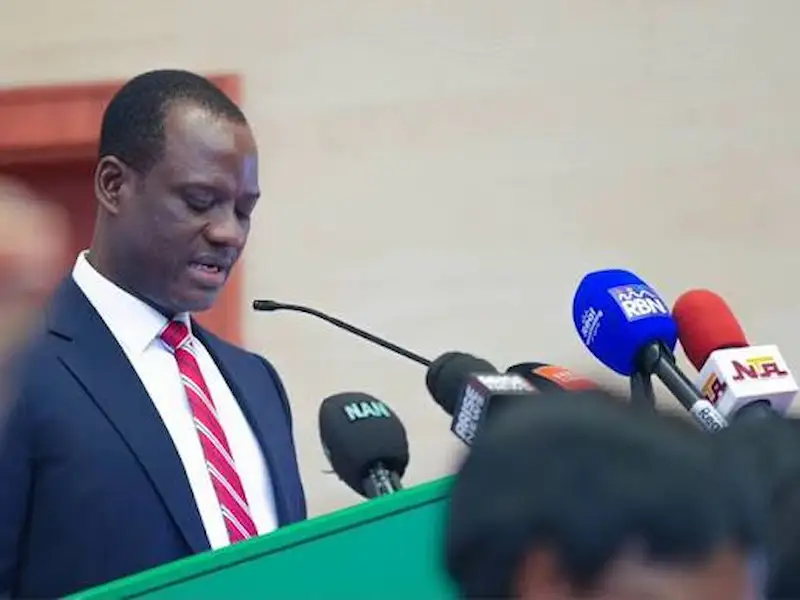
The removal of petrol subsidy generated N15.8 trillion in resources for the federation between June 2023 and December 2025, the Minister of Finance and Coordinating Minister of the Economy, Taiwo Oyedele, has said.
Oyedele disclosed this on Wednesday at a media conference on the scorecard of Nigeria’s reforms between 2023 and 2026, saying the resources were mobilised through increased revenue collections following the exchange-rate reform.
Of the N15.8 trillion, the Federal Government received N5.4 trillion, while N10.4 trillion was shared among states and local governments.
He said the Federal Government also recorded N3.1 trillion in incremental independent revenue during the period, largely from remittances by government-owned entities.
According to him, the Federal Government’s total incremental resources from subsidy savings, independent revenue and borrowing stood at N20.4 trillion.
“Altogether, the federal government’s incremental resources over the period, subsidy savings, independent revenue, and incremental borrowing, came to N20.4 trillion,” Oyedele said.
He noted that additional borrowing accounted for N11.9 trillion, adding that the figure would have been “far higher and economically destabilising” without the fiscal space created by the reforms.
Oyedele said the Federal Government, however, incurred N30.64 trillion in incremental expenditure within the same period.
He said N9.39 trillion of the amount went into wage adjustments, minimum wage increases and allowances for public servants, while N9.37 trillion was used for external debt servicing. Another N6.5 trillion, he said, was spent on strategic infrastructure.
The minister noted that the cost of higher wages alone exceeded the Federal Government’s entire share of savings from the subsidy removal.
“The incremental amount that the federal government spends paying higher wages is more than the entire savings that the federal government earned from subsidy removal,” he said.
Oyedele attributed the rise in external debt servicing largely to the depreciation of the naira, explaining that although the dollar value of the debt remained unchanged, more naira was required to meet the obligations.
“If we were paying $1 million before in interest on our foreign debt, it is still the same $1 million, but instead of N460, it’s now N1,415,” he said.
He added that debt obligations could not be delayed without consequences, saying, “when you have debt service to pay, you don’t negotiate, you don’t delay, you pay.”
Oyedele said the reforms were not primarily designed to increase government revenue but to tackle “entrenched corruption in the artificially managed fuel subsidy and foreign exchange markets.”











NYSC to Open Online Registration Portal for 2026 Prospective Corps Members in September

Again Residents Confront Scavenger Over Alleged Vandalism in Kosofe

GBB Reaffirms Digital Infrastructure Drive

Nigeria to Roll Out Unique Postcodes for Every Home October 1
