
National
Trade Publishing Left Out of Nigeria’s Creative Fund Mapping – Ojogwu
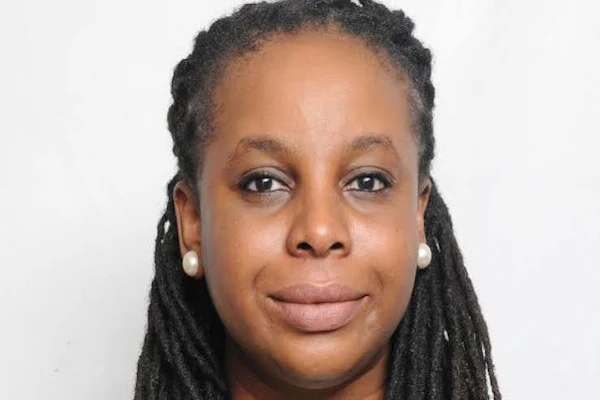
Nigeria’s trade publishing sector was left out of the government’s mapping of the creative industry used in developing its new creative financing framework, according to Anwuli Ojogwu, Co-founder and Chief Executive Officer of Narrative Landscape Press.
Ojogwu disclosed this at the QED Creative Presentation Summit in Lagos, where she argued that the exclusion reflected a wider policy gap in the way publishing is classified within Nigeria’s creative economy.
According to her, trade publishing was largely left out because government institutions continue to associate publishing primarily with the education sector, particularly the production of textbooks and curriculum materials.
She, however, distinguished trade publishing from educational publishing, describing it as an important source of intellectual property that feeds other parts of the creative economy.
Ojogwu said books and written works frequently provide the original intellectual property from which films, television productions and other creative projects are developed.
She cited the works of Nigerian authors, including Chimamanda Ngozi Adichie, as examples of trade-published intellectual property with potential and actual downstream adaptation into other creative formats.
She argued that treating trade publishing merely as an extension of education policy could prevent the sector from receiving the investment and institutional recognition required to fully contribute to the country’s creative economy.
According to her, Nigeria’s creative financing framework should recognise publishing as part of the intellectual-property infrastructure supporting the wider sector.
Ojogwu said Narrative Landscape Press had responded to the challenge by helping to design and co-implement the “Book Factory”, a comics-focused publishing initiative aimed at strengthening the country’s publishing ecosystem.
She said the initiative was part of efforts to demonstrate the commercial and creative value of publishing while encouraging greater recognition of books and other written works as sources of intellectual property.
The publisher also called for closer collaboration between the publishing and film industries, particularly by encouraging Nigerian filmmakers to acquire adaptation rights to locally produced books.
She argued that greater use of Nigerian-authored books as source material for film and other creative productions could strengthen the domestic intellectual property chain and create additional revenue opportunities for authors, publishers and filmmakers.









NYSC to Open Online Registration Portal for 2026 Prospective Corps Members in September

Again Residents Confront Scavenger Over Alleged Vandalism in Kosofe

GBB Reaffirms Digital Infrastructure Drive

Nigeria to Roll Out Unique Postcodes for Every Home October 1
