
Politics
Poverty: Nigeria Moving Backwards Despite Vast Resources, Obi Says
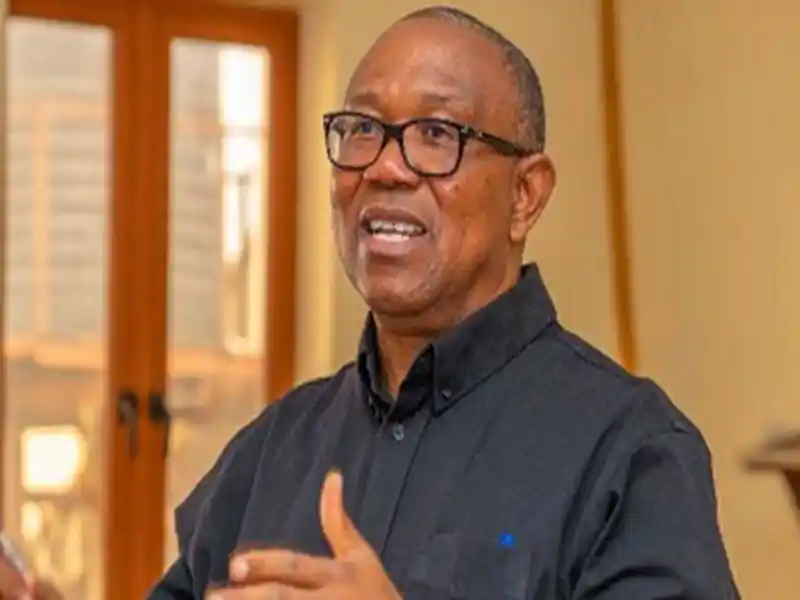
Peter Obi, presidential candidate of the Nigeria Democratic Congress (NDC) in the 2027 general election, has expressed concern over Nigeria’s rising poverty rate, calling for urgent action to improve the living conditions of millions of citizens.
Obi made the remarks in a statement marking the International Day for the Eradication of Poverty, lamenting that the country was moving backwards despite its abundant human and natural resources.
According to him, Nigeria’s poverty rate rose from 40.1 percent in 2019 to 56.2 percent in 2023, with a further increase to an estimated 63 percent in 2026.
The figures are consistent with the World Bank’s October 2026 Nigeria Poverty and Equity Brief, which projects that 63 per cent of Nigerians will be living below the national poverty line this year. The 2026 figure is an estimate, rather than the result of a new household survey.
Obi said the worsening situation had left millions of Nigerians struggling to afford food, access healthcare and meet their basic needs, while questioning the value of economic growth that does not translate into improved living conditions for ordinary citizens.
“What meaning does economic growth have when citizens are getting poorer, hungrier, and more insecure?” he asked.
The former Anambra State governor argued that national progress should be measured by improvements in the welfare of citizens rather than economic indicators alone.
He also criticised what he described as a disconnect between government narratives and the daily experiences of Nigerians grappling with poverty and economic hardship.
Obi suggested that the International Day for the Eradication of Poverty could have been declared a public holiday to allow for national reflection on the country’s worsening socioeconomic conditions.
He said such a day would provide an opportunity for Nigerians and their leaders to reflect on how a nation endowed with enormous human and natural resources had allowed poverty to become such a widespread challenge.
The NDC presidential candidate, however, maintained that poverty was not Nigeria’s destiny and could be reversed through effective leadership and responsible management of public resources.
He identified investment in education and healthcare, support for agriculture and small businesses, and prudent management of public funds as key measures needed to tackle the crisis.
Obi’s comments come amid renewed concerns over the relationship between Nigeria’s economic reforms, rising living costs and household welfare.
While the government has pointed to efforts to stabilise the economy, concerns persist over whether the benefits of economic adjustments are reaching ordinary Nigerians.
The World Bank has similarly highlighted the need for stronger growth, improved purchasing power and productive employment to achieve meaningful poverty reduction.
Obi called for a renewed commitment to policies that place citizens’ welfare at the centre of governance, insisting that Nigeria could reverse the trend if its resources were managed effectively and economic opportunities expanded.
He said the country’s ability to overcome poverty would ultimately depend on leadership, accountability and sustained investment in the people.











NYSC to Open Online Registration Portal for 2026 Prospective Corps Members in September

Again Residents Confront Scavenger Over Alleged Vandalism in Kosofe

GBB Reaffirms Digital Infrastructure Drive

Nigeria to Roll Out Unique Postcodes for Every Home October 1
