
Technology
Strategic Planning, KPIs Key to NASENI’s Industrialisation Drive – Onyechi
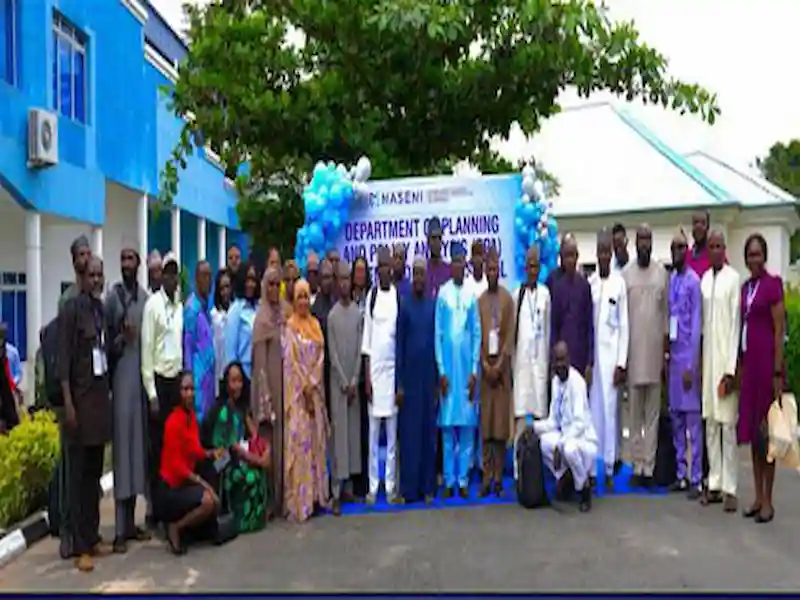
The National Agency for Science and Engineering Infrastructure (NASENI) has stressed the importance of strategic planning, performance management and Key Performance Indicators (KPIs) in driving the agency’s industrialisation mandate and strengthening Nigeria’s technological development.
The Coordinating Director (CD), Planning and Business Development, Dr (Mrs.) Nonyem Onyechi, made the call while declaring open a three-day training programme on Monitoring, Evaluation and KPI Development for Planning Professionals, held from September 28 to 30, 2026, at NASENI headquarters in Abuja.
Onyechi said the training was designed to strengthen strategic thinking, integrated development planning, monitoring and evaluation, performance management and KPI development across NASENI’s development institutes.
According to her, technical expertise and innovation must be supported by clear strategic direction, disciplined project tracking, effective monitoring and evaluation, and sound financial management to translate technological breakthroughs into measurable national development outcomes.
She said strategic thinking requires aligning the daily activities of personnel with NASENI’s overarching mission, while monitoring and evaluation should focus on measurable outcomes and actual results rather than merely documenting activities.
Onyechi added that effective performance management and KPI development would help ensure that NASENI’s projects and programmes remain aligned with institutional objectives and provide a consistent basis for measuring performance.
She noted that the contribution of every NASENI staff member, whether at the headquarters or any of the agency’s development institutes across the country, has a direct bearing on the agency’s performance and national standing.
Meanwhile, the Director, Planning and Policy Analysis Department, NASENI headquarters, Dr MacDonald Aloko, said the training was part of efforts to strengthen planning and policy processes across the agency.
One of the facilitators, strategic planning expert and consultant Mr Ahmed Muhammed, speaking on “Integrated Development Planning for the NASENI System,” emphasised the importance of strategic planning as a foundation for effective institutional management and project delivery.
Muhammed warned that poor planning could create significant risks, particularly when organisations fail to anticipate financial, administrative and implementation challenges.
He identified delays in budget releases as one of the major risks that should be incorporated into project planning and implementation strategies.















NYSC to Open Online Registration Portal for 2026 Prospective Corps Members in September

Again Residents Confront Scavenger Over Alleged Vandalism in Kosofe

GBB Reaffirms Digital Infrastructure Drive

Nigeria to Roll Out Unique Postcodes for Every Home October 1
