
Business
Nigeria’s Port Activity Gains Momentum as Cargo, Containers Rise
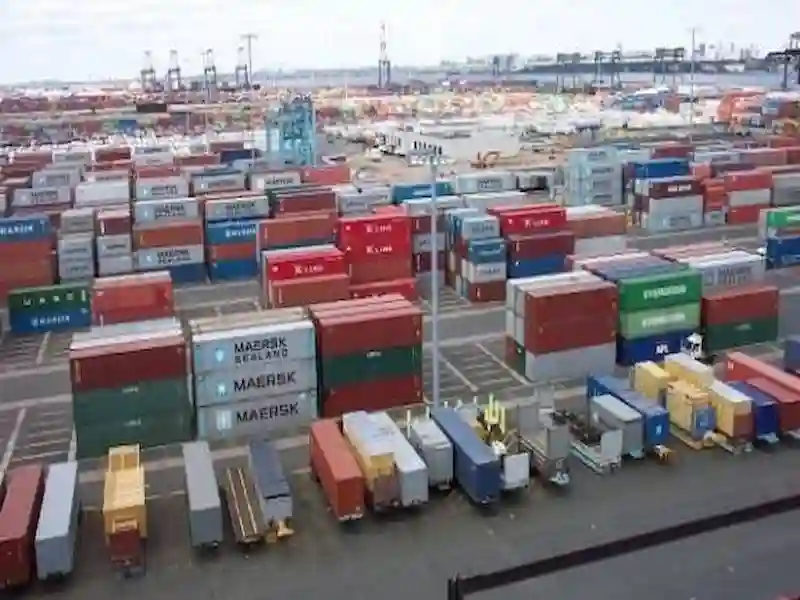
Activity across Nigeria’s seaports expanded in the second quarter of 2026, with cargo volumes, container handling, vessel calls and vehicle traffic all recording growth, according to the Nigerian Ports Authority (NPA).
The NPA’s Operational Performance Report for the quarter showed that cargo increased by 12.3 percent, rising from 31.83 million metric tonnes in the second quarter of 2025 to 35.74 million tonnes.
The increase was supported by stronger export activity, with outward cargo rising by 22 percent during the period, compared with a 7.7 percent increase in inward cargo. Inward cargo accounted for 56.8 percent of total throughput, while outward cargo represented 41.9 percent.
Vessel activity also improved, with 1,201 ocean-going vessels completing operations during the quarter, compared with 1,050 in the corresponding period of 2025, representing a 14.4 percent increase.
The Gross Registered Tonnage of the vessels rose by 22.2 percent from 40.87 million tonnes to 49.95 million tonnes.
Container operations followed the same upward trend. Container traffic grew by 11.3 percent to 602,392 twenty-foot equivalent units (TEUs), from 541,229 TEUs recorded a year earlier.
The period also marked the return of transshipment container activity, with 29,038 TEUs recorded compared with none in the corresponding quarter of 2025.
Vehicle handling posted an even stronger increase, climbing 18.3 per cent from 37,306 units to 44,147 units.
NPA Managing Director, Dr Abubakar Dantsoho, said the performance reflected the resilience of Nigeria’s ports and improvements in trade activity.
He attributed the increase in vehicle traffic largely to improved automobile import activities arising from exchange-rate stability, while describing the continued rise in transshipment as a significant development for the port system.
Dantsoho said Nigeria could strengthen its position as a regional transshipment hub if ongoing port modernisation was matched with sustained infrastructure investment and stronger engagement with shipping lines.
He said the NPA’s major priorities for 2026 included a broad infrastructure overhaul, digitalisation and improved operational efficiency.
According to him, the modernisation of Apapa and Tin Can Island ports remains central to the plan, alongside support for the Lekki and Badagry deep-sea port projects and efforts to revitalise Eastern Ports.
He also said the authority was prioritising full implementation of the Port Community System, which would integrate with the National Single Window to streamline port processes, reduce manual bottlenecks and create a more unified digital trade environment.






NYSC to Open Online Registration Portal for 2026 Prospective Corps Members in September

Again Residents Confront Scavenger Over Alleged Vandalism in Kosofe

GBB Reaffirms Digital Infrastructure Drive

Nigeria to Roll Out Unique Postcodes for Every Home October 1
