
Business
US Says Nigeria Failed Fiscal Transparency Test In 2025
Nigeria failed to meet the United States government’s minimum fiscal transparency requirements in 2025, with the country making no significant progress in addressing deficiencies identified during the review period.
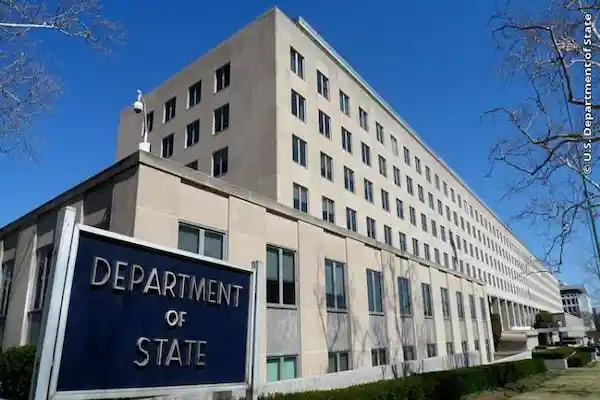
The finding was contained in the 2026 Fiscal Transparency Report released by the US Department of State on Thursday.
The assessment covered 138 governments, the Palestinian Authority and Nigeria, for the period January 1 to December 31, 2025.
Nigeria was among 67 governments that failed to meet the minimum requirements. The report also placed the country among those assessed to have made “no significant progress” towards addressing identified shortcomings.
The US assessment focuses on whether governments make essential financial information available to the public, including budget documents, debt obligations, audit reports, natural resource contracts and public procurement information.
“Fiscal transparency is a critical element of effective public financial management, helps build market confidence, and underpins economic sustainability,” the department said.
It added that transparency “fosters greater government accountability by providing a window into government budgets, helping citizens hold their leadership accountable and facilitating better public debate.”
Under the US criteria, governments are expected to make executive budget proposals, enacted budgets and end-of-year reports widely accessible within specified periods. Debt obligations, including those linked to major state-owned enterprises, should also be published and updated at least annually.
The assessment further requires budget documents to provide a substantially complete picture of planned government revenue and expenditure, including natural resource earnings, with spending broken down by ministry and revenue by source and type.
The reliability of public financial information is also examined. The US said actual government revenue and expenditure should correspond with the enacted budget, while significant deviations should be explained and disclosed.
“Budget documents and related data are considered reliable if the information contained therein is credible, meaning actual government revenues and expenditures correspond to the enacted budget,” it said.
The review also considers the independence and effectiveness of supreme audit institutions and, in countries with significant natural resource extraction, whether procedures for awarding contracts and licences are publicly available and backed by law or regulation.
The department, however, cautioned that the assessment should not be regarded as a corruption ranking.
“A finding that a government ‘does not meet the minimum fiscal transparency requirements’ does not necessarily mean there is significant corruption in the government,” it said.
Of the 140 governments assessed, 73 met the minimum requirements, while 67 failed. Fourteen of those that failed were nevertheless assessed to have made significant progress.
The 2026 assessment also introduced stronger requirements for public disclosure of the terms and conditions of sovereign loans to foreign borrowers, including liabilities and collateralised assets.



NYSC to Open Online Registration Portal for 2026 Prospective Corps Members in September

Again Residents Confront Scavenger Over Alleged Vandalism in Kosofe

GBB Reaffirms Digital Infrastructure Drive

Nigeria to Roll Out Unique Postcodes for Every Home October 1
