
Business
CBN Kept Interest Rate Unchanged to Assess Economic Shock-Victor Oboh
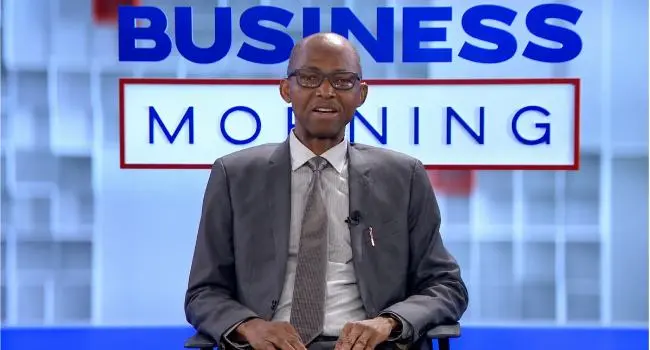
The Director of the Monetary Policy Department at the Central Bank of Nigeria (CBN), Victor Oboh, has explained that the Monetary Policy Committee (MPC) decided against raising the benchmark interest rate in order to fully assess the impact of current economic shocks on the Nigerian economy.
Oboh made the disclosure during a live interview on TVC Business Nigeria, where he said the committee adopted a cautious approach because the prevailing economic challenges are largely supply-side shocks rather than demand-driven pressures.
According to him, tightening monetary policy prematurely could have been counterproductive, as the MPC considered it necessary to monitor incoming economic data before taking further policy actions.
“The MPC thought that it was not appropriate at this time to raise the interest rate because the shock is largely a supply shock. The key word at this meeting was caution—to fully understand the extent, severity and magnitude of the impact of this crisis as it transmits through the local economy,” Oboh said.
He noted that the committee opted to keep monetary policy steady while evaluating fresh economic indicators that would guide future policy decisions.
Oboh also said Nigeria’s economy has demonstrated significant resilience despite global economic uncertainties, attributing the country’s relative stability to reforms implemented before the current crisis.
“The good side is that the Nigerian economy has shown strong resilience to these shocks. When you compare Nigeria with some emerging markets, you will find that we have been largely shielded from the harsh impact because of the reforms that were undertaken before the outbreak of the crisis,” he said.
He added that the Central Bank would continue to assess incoming economic data to determine the appropriate monetary policy stance in subsequent MPC meetings.
“The key word was caution, so that we can continue to observe incoming data and allow the analysis to guide future policy decisions,” Oboh stated.





NYSC to Open Online Registration Portal for 2026 Prospective Corps Members in September

Again Residents Confront Scavenger Over Alleged Vandalism in Kosofe

GBB Reaffirms Digital Infrastructure Drive

Nigeria to Roll Out Unique Postcodes for Every Home October 1
