
National
Kano Teacher Recruitment Will Strengthen Education Sector, Says Alausa
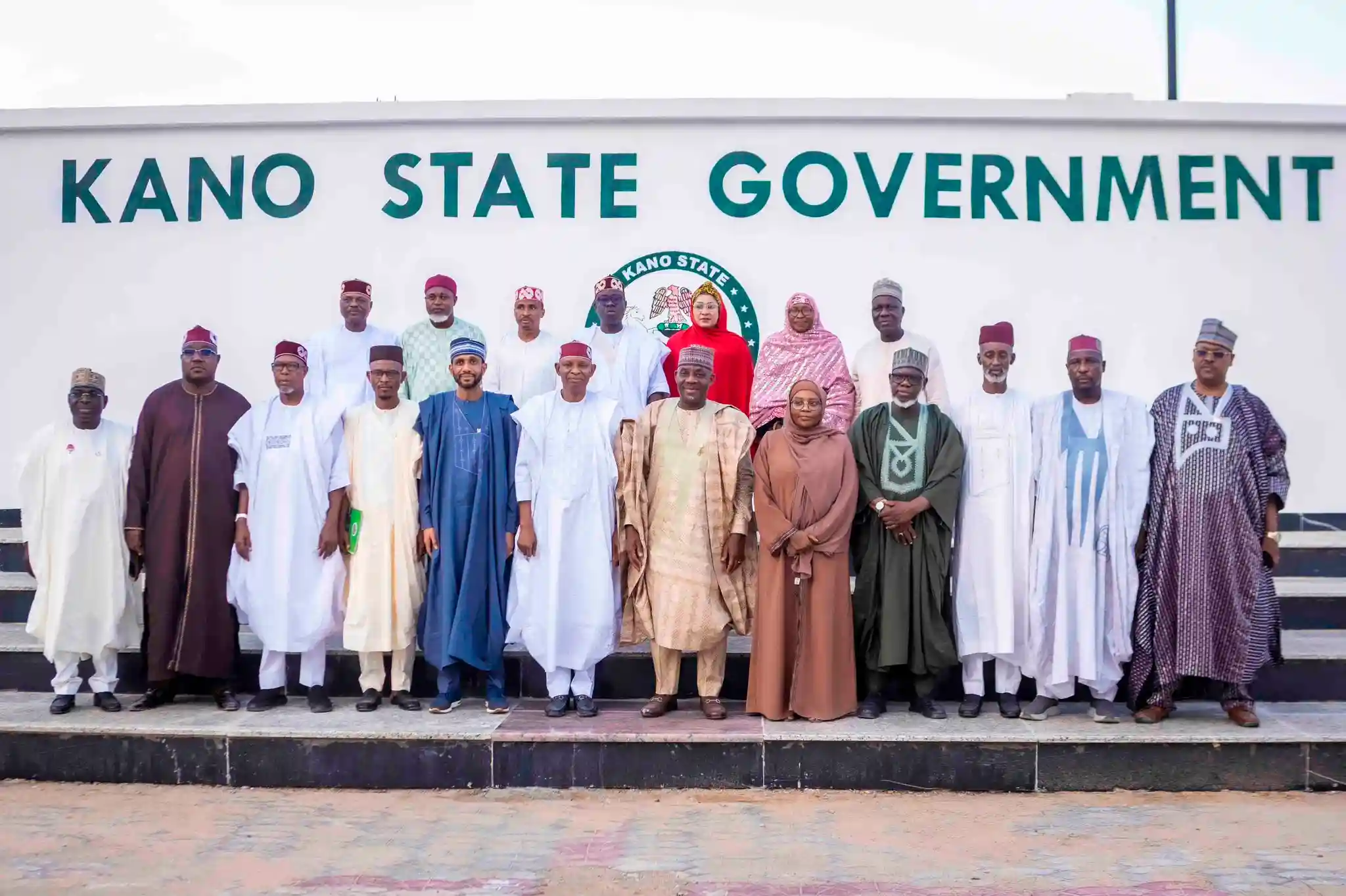
The Minister of Education, Dr. Maruf Tunji Alausa, has said that the Kano Teacher Recruitment exercise will significantly strengthen Nigeria’s education sector, following the presentation of appointment letters to 4,900 newly recruited teachers and 3,688 BESDA Cohort V Facilitators in Kano State.
Dr. Alausa made the remarks during his visit to Kano, where he joined Governor Abba Kabir Yusuf for the official presentation of appointment letters to the newly recruited educators.
The minister described the Kano Teacher Recruitment exercise as a major investment in human capital development, noting that the state has recruited nearly 9,000 educators in one exercise and over 16,000 within the last three years.
He commended the Kano State Government for dedicating 32 per cent of its budget to education, describing the allocation as a clear demonstration of the state’s commitment to improving learning outcomes for every child.
Addressing the newly recruited teachers, Dr. Alausa urged them to embrace their responsibilities with professionalism, integrity, and excellence.
“Teaching is the profession that shapes every other profession, and to whom much is given, much is expected,” the minister said.
As part of his final day activities in Kano, Dr. Alausa inspected the Tarda Smart School in Ungogo, visited Bayero University, Kano, and commissioned the new Government Girls Secondary School in Dangwaro.
He stated that the Kano Teacher Recruitment initiative, alongside investments in smart learning environments, quality teachers, and expanded access to education, reflects a shared commitment to preparing young Nigerians with the knowledge and skills needed to thrive in the 21st century.
Dr. Alausa added that the Federal Government, in partnership with state governments under the Renewed Hope Agenda of President Bola Ahmed Tinubu, will continue to advance the Nigeria Education Sector Renewal Initiative (NESRI) by strengthening teacher quality, modernising learning infrastructure, and developing the human capital required to position Nigeria as a thriving knowledge-based economy.



NYSC to Open Online Registration Portal for 2026 Prospective Corps Members in September

Again Residents Confront Scavenger Over Alleged Vandalism in Kosofe

GBB Reaffirms Digital Infrastructure Drive

Nigeria to Roll Out Unique Postcodes for Every Home October 1
