
National
Abubakar Malami N212bn Properties: Court Orders Final Forfeiture of 48 Assets
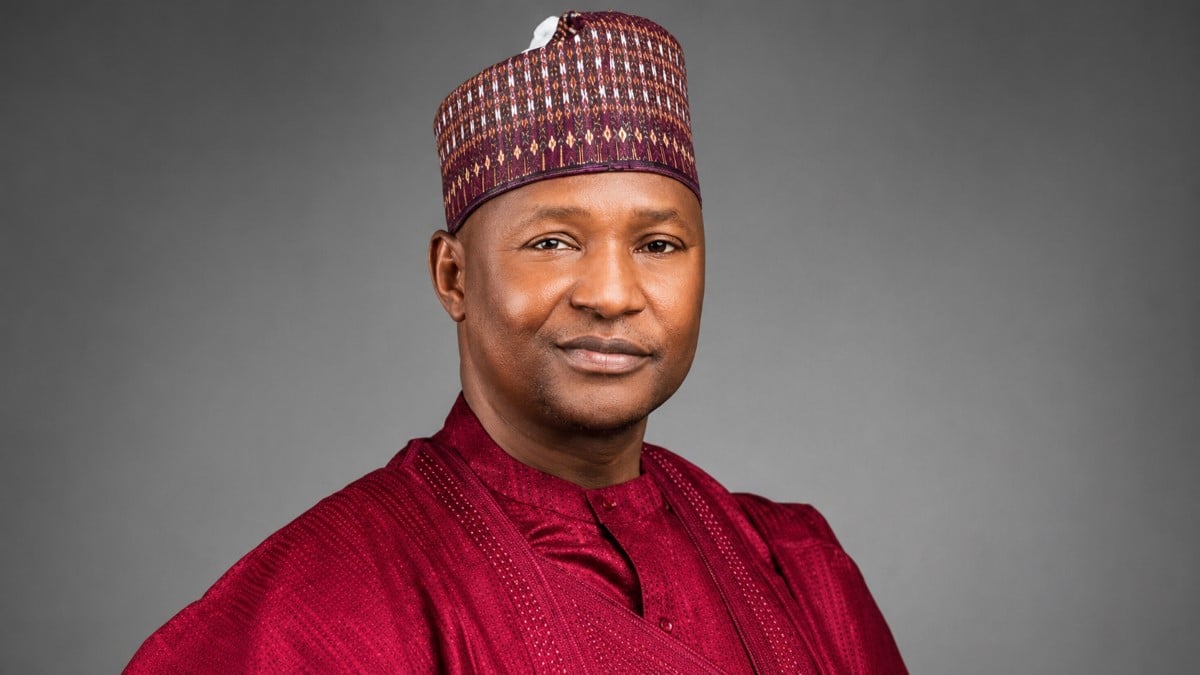
Abubakar Malami N212bn properties have been ordered permanently forfeited to the Federal Government after the Federal High Court in Abuja granted the Economic and Financial Crimes Commission (EFCC)’s application for the final forfeiture of 48 out of 57 properties linked to the former Attorney General of the Federation (AGF), Abubakar Malami.
Justice Joyce Abdulmalik, who delivered the judgment, dismissed objections filed by Malami, members of his family and several companies claiming ownership of the assets, ruling that their applications lacked merit.
The judge held that the central issue before the court was not who owned the properties but whether the funds used to acquire them were from legitimate sources.
In her ruling, Justice Abdulmalik agreed with the EFCC that the evidence presented justified the final forfeiture of the affected assets.
She held that ownership claims alone could not defeat an application for forfeiture where questions remained over the legitimacy of the funds used to acquire the properties.
The judgment means that Abubakar Malami N212bn properties covered by the final order will now remain permanently under the ownership of the Federal Government.
The Abubakar Malami N212bn properties are located across the Federal Capital Territory (FCT), Kebbi, Kano and Kaduna states.
According to court documents, the assets comprise luxury hotels, residential estates, duplexes, commercial plazas, warehouses, shopping complexes and other high-value properties acquired over several years.
Among the forfeited assets in Abuja are a luxury duplex in Maitama, a two-wing storey building in Area 11, Garki, formerly known as Harmonia Hotels Limited, Meethaq Hotels located in Jabi and Maitama, terrace buildings in Asokoro, residential properties in Wuse II, Gwarimpa, Apo Legislative Quarters and Karsana District, as well as commercial shops situated at Citiscape Shariff Plaza, Vegas Mall and Wuse Market.
The court also ordered the forfeiture of several high-value assets in Kano State.
These include buildings located in Nasarawa GRA, the 131-room Zeennoor Hotel, Zeennoor Mosque, the old Zeennoor Hotel complex, Rayhaan Hotel and the Rayhaan Gym complex.
In Kebbi State, the forfeiture order covers a commercial plaza with warehouses and laundry facilities near Birnin Kebbi Market, 100 hectares of land along the Birnin Kebbi–Jega Road, residential buildings and properties acquired under the Khadimiyya for Justice and Development Initiative at Academic Garden City.
The order further extends to facilities belonging to Rayhaan University, including its permanent, temporary and third campuses, as well as the Vice Chancellor’s residence.
The EFCC also secured the forfeiture of assets belonging to the Rayhaan Agro Allied Factory, including factory buildings, machinery, processing plants, staff quarters and a mosque.
Other properties affected include facilities within the Azbir Arena, comprising Azbir Hotel, a printing press, event gallery, gardens, mosque, clothing outlet, pharmacy and supermarket.
Additional assets covered by the order include the Al-Afiya Energy Tanker Garage, Rayhaan Model Academy, Rayhaan Primary and Secondary School, Rayhaan Security House, Rayhaan Radio, an uncompleted two-storey commercial plaza, the Amasdul Oil and Gas filling station structure, the Malami Support Organisation Building and the ADC Kadi Malami Foundation Building.
The court also ordered the forfeiture of two residential houses belonging to Abubakar Malami,
With the latest ruling, Abubakar Malami N212bn properties comprising 48 out of the 57 assets initially placed under interim forfeiture have now been permanently forfeited to the Federal Government.
The judgment represents one of the EFCC’s most significant asset recovery cases in recent years. The court maintained that the determining factor was the legitimacy of the funds used to acquire the assets rather than the identity of those claiming ownership.



NYSC to Open Online Registration Portal for 2026 Prospective Corps Members in September

Again Residents Confront Scavenger Over Alleged Vandalism in Kosofe

GBB Reaffirms Digital Infrastructure Drive

Nigeria to Roll Out Unique Postcodes for Every Home October 1
